Author: Anthony Miller

Best Glaziers Stirling

Best Glaziers Stirling

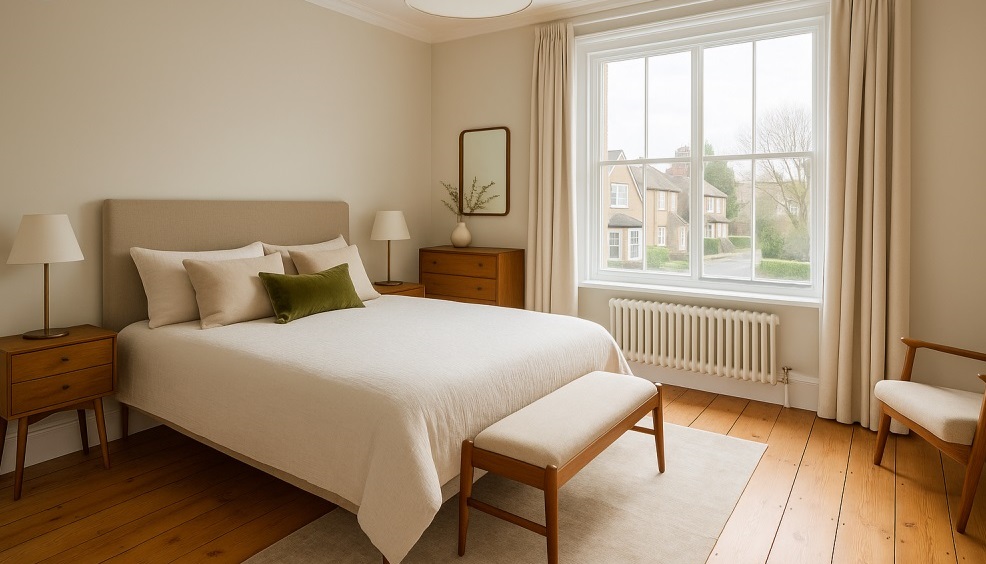
In Stirling, the architectural landscape is defined by the timeless elegance of sash and case windows, which have been a staple of Scottish building design since the late 17th century. From the historic Old Town to the Victorian villas of King’s Park, these windows are celebrated for their vertical sliding mechanism and balanced proportions.

They consist of two glazed timber sashes that move independently, counterbalanced by lead or iron weights hidden within the hollow “case” of the frame. Beyond their aesthetic appeal, these windows provide superior ventilation and remain a preferred choice for homeowners within Stirling’s many conservation areas. While traditional single-glazed units are common, many residents now opt for discreet heritage double glazing or secondary glazing to improve thermal efficiency and noise reduction without compromising the city’s unique historical character and visual legacy.

The upkeep of these iconic structures relies heavily on the expertise of local joiners in the Stirling area, such as Hillhead Joiners .

Best Local Glaziers Stirling

These craftsmen specialize in the intricate restoration work required to keep timber frames functional in the face of Scotland’s damp climate.

Local joinery services typically include repairing rot in sills, replacing frayed sash cords, and refurbishing the internal pulley systems. Because many Stirling properties are listed or situated in protected zones, joiners often utilize traditional techniques like “Dutchman repairs” to replace decayed sections of wood while preserving as much of the original slow-grown timber as possible. Their skill ensures that the windows remain airtight and rattle-free, maintaining the structural integrity of the home while potentially increasing property value through the preservation of authentic period features.

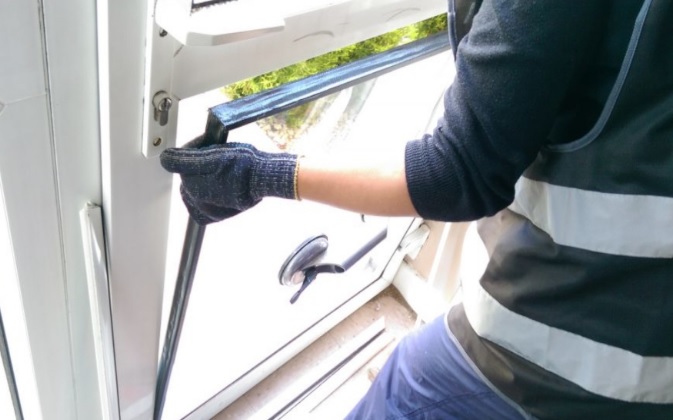
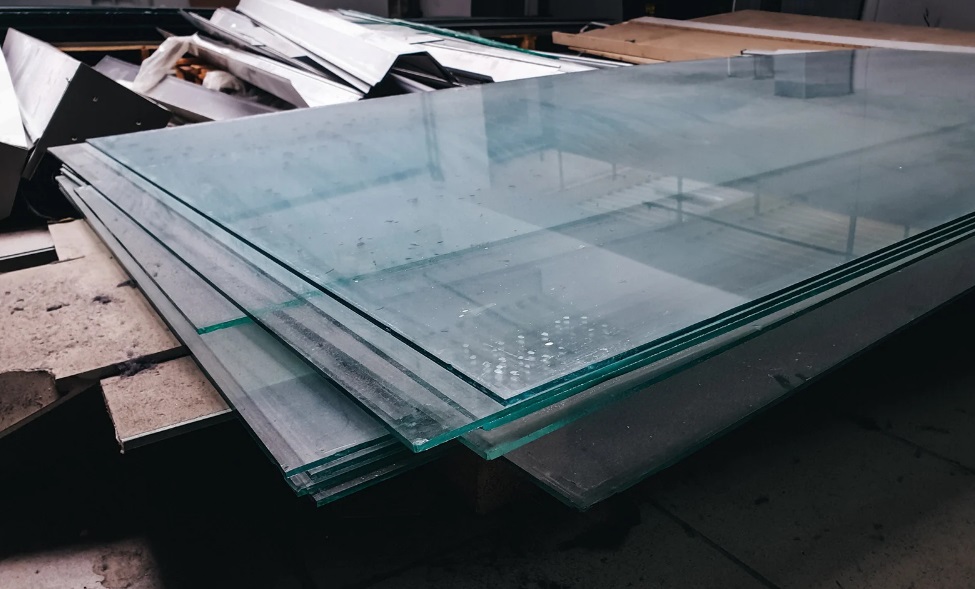
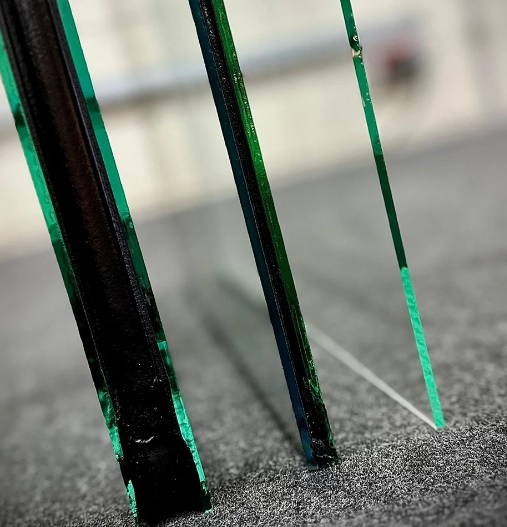
Complementing the work of joiners, local glaziers in Stirling and nearby Bridge of Allan provide the specialized glass services essential for period properties. Firms like Hillhead Glaziers Stirling offer everything from emergency repairs for smashed panes to the delicate installation of slimline “heritage” double-glazed units.

These modern glass solutions are designed to fit within original timber profiles, allowing homeowners to enjoy 21st-century insulation while retaining the slender aesthetic of Georgian or Victorian frames. Glaziers also handle the application of traditional sand mastic and putty, which are vital for weatherproofing against the harsh Highland winds. By working in tandem, Stirling’s joiners and glaziers ensure that these historic “eyes of the city” continue to offer light, warmth, and elegance for generations to come, blending heritage with modern performance.

Timber Sliding and Sash and Case Windows Stirling

Timber Sliding and Sash and Case Windows Stirling

Stirling’s architectural landscape is a tapestry of history, from the medieval streets of the Top of the Town to the grand Victorian villas of King’s Park. Central to this aesthetic are timber sliding sash and case windows, a hallmark of Scottish building design since the 17th century. These windows are far more than functional apertures; they are vital historical artifacts that define the city’s character. Maintaining them is an act of stewardship, ensuring that the visual story of Scotland’s ancient capital remains authentic and vibrant for future generations to admire.

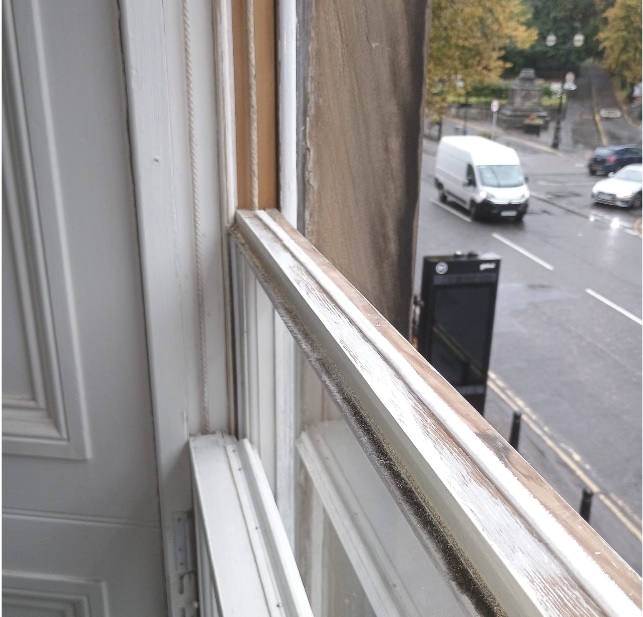
The mechanical genius of the sash and case window repairs Stirling lies in its elegant counterbalance system. Within the hollow “case” of the frame, lead or iron weights are suspended on cords over pulleys to offset the weight of the timber sashes. This allows for effortless vertical movement and versatile ventilation. In many of Stirling’s older tenements, these internal mechanisms often become seized or broken. Restoring these hidden components is the first step in ensuring the windows function as intended, allowing fresh Scottish air to circulate through historic rooms.

In an era of environmental concern, repairing timber windows is significantly more sustainable than installing modern plastic alternatives. Timber is a renewable resource that, with proper care, can last for centuries, whereas uPVC units have a limited lifespan and high environmental cost. For a Stirling homeowner, choosing restoration over replacement reduces the carbon footprint associated with manufacturing and disposal. By focusing on repair, we respect the craftsmanship of the past while making an ecologically responsible choice for the future of the local environment and the planet.

Timber Sliding and Sash and Case Window repairs Stirling

Many believe historic windows are inherently cold, but this is a common misconception. Through professional restoration and the installation of modern draught-proofing, timber sashes can achieve thermal performance comparable to new units. In Stirling’s chilly winters, sealing gaps where sashes meet the frame eliminates rattles and heat loss. This involves machining discreet grooves for brush seals, preserving the original aesthetic while making the home significantly warmer. It is a cost-effective way to improve energy efficiency without sacrificing the building’s historic soul or architectural integrity.

Draught Proofing Timber Sliding and Sash and Case Windows Stirling

Draught Proofing Timber Sliding and Sash and Case Windows Stirling

Traditional timber sliding sash windows are a hallmark of period architecture, offering a classic aesthetic that modern alternatives struggle to match. However, their design—relying on a 3mm to 5mm gap to allow the sashes to slide—makes them notoriously draughty. Fitting a professional sash and case draughtproofing Stirling, Scotland, system is the single most effective way to modernize their performance without sacrificing their historic character.

1. Superior Thermal Comfort and Savings

Traditional sash windows are often blamed for heat loss, but research by organizations like Historic Scotland suggests that up to 80% of air leakage in these windows is due to draughts rather than the glass itself. By installing discreet brush pile seals into the meeting rails, staff beads, and parting beads, you create a thermal barrier that can reduce heat loss through the window by approximately 15–20%. This translates directly into lower energy bills and a home that feels uniformly warm, eliminating the “chill” often felt near large windows in winter.+2

2. Significant Noise and Dust Reduction

Beyond temperature control, draught-proofing acts as an acoustic seal. Gaps that allow air to pass also allow sound waves to travel freely. A well-fitted system can reduce external noise by up to 10 decibels (roughly a 50% reduction in perceived volume), which is invaluable for homes on busy roads. Furthermore, these seals act as a filter, significantly reducing the ingress of street dust, soot, and pollen, keeping your interiors cleaner.+2

3. Structural Longevity and “The Silent Window”

One of the most irritating traits of older sash windows is their tendency to rattle in the wind. Draught-proofing provides a “snug” fit that stabilizes the sashes, eliminating rattles and ensuring smooth, quiet operation.

From a conservation perspective, draught-proofing is also a protective measure. It reduces moisture ingress into the window box, which is a primary cause of timber rot. For listed buildings, it is often the preferred “light-touch” intervention, as it is largely invisible and preserves the original fabric of the building far better than total replacement.

Much of Stirling is designated as a conservation area, meaning strict planning controls protect the built environment. Replacing original timber windows with modern materials often requires planning permission, which is frequently denied to maintain the area’s character. Restoring existing sashes ensures compliance with local regulations and avoids legal complications. For owners of listed buildings near Stirling Castle, professional restoration is the gold standard. It ensures the property remains a faithful representation of the city’s prestigious history while satisfying the requirements of Historic Environment Scotland.

The primary enemy of Stirling’s timber windows is moisture, which leads to wet or dry rot, particularly in the sills and lower rails. Given the damp Scottish climate, timber is frequently under attack. However, wood is remarkably resilient; even severely weathered windows can usually be saved. Specialized joiners can “splice” in new sections of seasoned hardwood, replacing only the decayed portions while keeping the majority of the original fabric. This targeted approach prevents the need for expensive full-scale replacements and preserves the window’s structural history.

A comprehensive restoration process involves more than a simple coat of paint. It begins with removing the sashes to address the “hidden” parts of the window. Old, brittle putty is carefully removed, and glass is checked for integrity. The timber is then stripped back to its raw state, allowing for precise structural repairs. Once the wood is sound, the window is re-primed, painted, and reassembled with new cords and balanced weights. This meticulous rejuvenation improves both appearance and functionality, ensuring the window remains a durable feature.

Timber Sliding and Sash and Case Window restoration Stirling

Investing in the maintenance of sash and case windows is a savvy financial move. Original features are highly sought after in the Scottish property market, often commanding a premium price compared to homes with modern replacements. Potential buyers recognize the quality and aesthetic appeal of authentic timber windows. By keeping these features in top condition, you are not only saving on the high cost of new installations but also protecting and potentially increasing the resale value of your home in Stirling’s competitive and historically conscious real estate market.

While keeping original “crown” glass is ideal for authenticity, restoration also allows for glazing upgrades. Many Stirling residents now opt for “slim-lite” double glazing during the restoration process. These units are thin enough to fit into original timber profiles, providing modern insulation without the bulky appearance of standard double glazing. This hybrid approach offers the best of both worlds: the timeless beauty of a traditional sash window combined with the modern comforts of sound insulation and heat retention required for comfortable 21st-century living in Scotland.

Stirling’s weather is often unforgiving, with heavy rainfall putting constant stress on external joinery. Regular maintenance, such as checking for cracked paint or failing putty, is vital to prevent water ingress. If moisture penetrates the timber, it can lead to rapid structural failure. By establishing a routine—cleaning glass, oiling pulleys, and refreshing paint every few years—homeowners can defend their property against the elements. Proactive care is always more affordable than reactive repairs, ensuring that the windows remain watertight and functional despite the Highland fringe weather.

Living in a bustling city like Stirling means noise pollution can be a concern, particularly near the city center or university corridors. Well-maintained timber sash windows, especially those fitted with draught-proofing, provide excellent acoustic insulation. The density of the timber combined with a tight seal significantly reduces the intrusion of traffic noise. Restoring these windows creates a peaceful sanctuary within the home, allowing residents to enjoy the historic charm of their surroundings without the constant auditory buzz of modern urban life and passing vehicles.

Finally, the survival of sash and case windows supports the continuation of traditional craft skills in Scotland. Restoring these windows requires the expertise of specialized joiners who understand historic construction techniques. By choosing to repair and maintain your windows in Stirling, you are helping to sustain a niche industry of skilled local artisans. This commitment ensures that the knowledge required to care for Scotland’s architectural heritage is not lost. Every restored window is a testament to quality craftsmanship, standing as a beautiful part of Stirling’s living history.

Councillor Alasdair MacPherson

Councillor Alasdair MacPherson

Alasdair MacPherson is a long-standing elected member of Stirling Council in Scotland, serving as a councillor for the Bannockburn Ward.

Councillor Alasdair MacPherson is the Independent councillor for Bannockburn, Cowie, Fallin, Plean, Throsk on Stirling Council.

Here is a summary of his role, political background, and key focus areas:

🗳️ Role and Constituency

  • Position: Elected Councillor for Stirling Council.
  • Ward: Bannockburn (Ward 7), which includes the communities of Bannockburn, Cowie, Fallin, Plean, and Throsk.
  • Responsibilities: As a local councillor, his primary role is to represent the residents of his ward, deal with their queries, hold surgeries, and participate in Council decision-making on local services such as planning, roads, education, and social services.

🚩 Political Background

  • Current Status (since 2022): Independent Councillor.
  • Previous Affiliation: He was a long-time member of the Scottish National Party (SNP), serving as an SNP councillor for over 15 years before resigning from the party in March 2022 due to differences at local and national levels.
  • Historical Significance: Following the 2022 elections, he became Stirling’s first elected Independent councillor since the unitary authorities were established in 1996.

📰 Recent Activities and Focus

Councillor MacPherson is known for being a vocal representative of his constituents and has recently been involved in several high-profile council discussions:

  • Representing Constituents: He has pledged to work tirelessly for his constituents, particularly those in the rural and former mining communities of his ward.
  • Council Allowances Debate: He drew attention to the issue of council members claiming expenses for meals on top of their salaries, expressing a desire to campaign for the poor and vulnerable. He stated his intention to accept only a minimal salary increase (3%) and donate the remaining significant increase to local community groups in his ward that provide food and subsidised meals.
  • Construction Industry Background: Before his political career, Councillor MacPherson spent his working life in the construction industry. He holds registered interests as a Director of Hillhead Joiners Ltd.

📞 Contact Information

For residents of the Bannockburn Ward, Councillor MacPherson can be contacted directly to discuss issues:

Deep Tissue Massage

Deep Tissue Massage

Deep tissue massage Stirling is a therapeutic technique that focuses on the deeper layers of muscles and connective tissues in the body. Unlike traditional relaxation massages, this method involves applying firm pressure and slow strokes to target specific areas of tension and discomfort. It’s particularly beneficial for individuals experiencing chronic pain, muscle tightness, or recovering from injuries.​

Understanding Deep Tissue Massage

The primary goal of deep tissue massage is to break down adhesions—bands of rigid tissue that can form in muscles, tendons, and ligaments due to injury or chronic tension. These adhesions can impede circulation, cause pain, and limit movement. By applying sustained pressure, therapists aim to physically break down these adhesions, thereby alleviating pain and restoring normal movement. ​

Techniques Involved

Deep tissue massage employs various techniques to reach and treat deep muscle layers:​

  • Stripping: This involves deep, gliding pressure along the length of the muscle fibers using the therapist’s elbows, knuckles, or thumbs.​
  • Friction: Pressure is applied across the grain of the muscles to release adhesions and realign tissue fibers.​

These methods are performed slowly and with concentrated pressure to ensure they effectively target the intended areas without causing undue discomfort.​

Deep Tissue Massage Stirling, Scotland

Benefits of Deep Tissue Massage

Deep tissue massage offers a range of physical and psychological benefits:​

  1. Pain Relief: It’s effective in alleviating chronic pain conditions such as lower back pain, neck stiffness, and shoulder tension. By addressing the root causes of pain—like muscle adhesions and tension—this massage can provide significant relief. ​
  2. Improved Mobility: Breaking down adhesions and increasing flexibility in muscles and joints can lead to enhanced range of motion and overall mobility. ​
  3. Reduced Inflammation: By promoting better circulation, deep tissue massage helps reduce inflammation, which is beneficial for conditions like arthritis. ​
  4. Lowered Blood Pressure: Regular sessions have been linked to decreased blood pressure levels, likely due to stress reduction and improved circulation.
  5. Stress Reduction: The therapy not only addresses physical ailments but also promotes relaxation, helping to lower cortisol levels and alleviate stress. ​
  6. Scar Tissue Breakdown: It aids in breaking down scar tissue from previous injuries, enhancing lymphatic circulation and flexibility in the affected areas.​
  7. Rehabilitation Support: Incorporating deep tissue massage into rehabilitation programs can expedite recovery by improving circulation and reducing muscle stiffness.​

What to Expect During a Session

A typical deep tissue massage session may unfold as follows

  • Consultation: The therapist will discuss your medical history, current physical condition, and specific areas of concern to tailor the session to your needs.​
  • Preparation: You’ll be asked to lie on a massage table, and the therapist will ensure you’re comfortable before beginning.​
  • Massage Process: The therapist will use slow, deliberate strokes with deep pressure, focusing on areas of tension or pain. Communication is encouraged to adjust pressure levels to your comfort.​
  • Post-Massage Advice: After the session, the therapist may provide guidance on stretches, posture, and hydration to maximize the benefits of the massage.​

Considerations and Potential Risks

While deep tissue massage is generally safe, it’s important to consider the following:​

  • Discomfort: Some discomfort during or after the massage is normal, especially if significant muscle tension is addressed. However, it should not be excessively painful.​
  • Medical Conditions: Individuals with certain conditions, such as blood clotting disorders, deep vein thrombosis, or recent surgeries, should consult with a healthcare provider before undergoing deep tissue massage.​
  • Bruising: Some people may experience minor bruising, particularly if they have sensitive skin.​

Deep tissue massage is a valuable therapeutic tool for addressing chronic pain, muscle tension, and aiding in injury recovery. By focusing on the deeper layers of muscle and connective tissue, it offers benefits that extend beyond relaxation, contributing to overall physical and mental well-being. As with any therapeutic intervention, it’s essential to consult with qualified professionals to ensure it’s appropriate for your specific health needs.​

Contact Nimbus Wellbeing Stirling

Nimbus Wellbeing Stirling

Nimbus Wellbeing Stirling, Meadow View, Stirling, FK7 8EX

Tel: 07546 955922

Website: https://nimbuswellbeing.co.uk/

Best Massage near me Stirling | Best Facial Treatments near me Stirling

Cupping Therapy Treatment

Cupping Therapy Treatment

Cupping therapy Stirling area, an ancient practice with roots in traditional Chinese medicine, has been utilized for thousands of years to promote healing and well-being. In recent times, this therapeutic technique has gained popularity in Scotland, with numerous clinics and practitioners offering cupping services to address a variety of health concerns. The therapy involves placing cups on the skin to create suction, which is believed to enhance blood flow, reduce muscle tension, and facilitate the body’s natural healing processes.​

Understanding Cupping Therapy

Cupping therapy can be broadly categorized into two main types: dry cupping and wet cupping. Dry cupping involves creating suction on the skin using cups made from materials such as glass, silicone, or plastic. This suction pulls the skin and underlying tissues upward into the cup, promoting increased blood flow to the area. Wet cupping, on the other hand, involves making small incisions on the skin before applying the suction cups, allowing for the removal of small amounts of blood. Both methods aim to stimulate circulation, alleviate pain, and promote healing.​

Benefits of Cupping Therapy

Cupping Therapy Treatment Stirling, Scotland

The potential benefits of cupping therapy are diverse, encompassing physical, mental, and emotional well-being. Some of the key advantages include:​

  1. Pain Relief: Cupping is commonly used to alleviate various types of pain, including muscle soreness, tension headaches, and chronic back pain. The suction created by the cups promotes blood flow to the affected area, reducing inflammation and encouraging healing. ​
  2. Improved Circulation: By drawing blood to the surface of the skin, cupping increases blood flow to targeted areas. This enhanced circulation delivers oxygen and nutrients to tissues, promoting healing and recovery. ​
  3. Reduction of Muscle Tension: The suction effect of cupping helps to lift and separate muscle tissues, reducing stiffness and increasing flexibility. This can be particularly beneficial for individuals who engage in regular physical activity or have physically demanding occupations. ​ of toxins and metabolic waste from the body. This detoxifying effect can improve overall health and immune function. ​
  4. Stress Reduction and Relaxation: The therapeutic process of cupping induces a state of deep relaxation, helping to alleviate stress and anxiety. The release of muscle tension and improved circulation contribute to an overall sense of well-being. ​
  5. Enhanced Skin Health: Cupping can improve skin tone and texture by promoting circulation and lymphatic drainage. It may also help reduce the appearance of cellulite and promote a healthy complexion. ​
  6. Support for Digestive Health: Abdominal cupping can stimulate the digestive organs, promoting better digestion and relieving issues such as bloating and constipation. ​
  7. Improved Respiratory Function: Cupping has been used to help relieve symptoms of respiratory conditions such as colds, asthma, and bronchitis by improving blood flow and reducing congestion in the respiratory tract.

Cupping Therapy in Scotland

In Scotland, cupping therapy is offered by various physiotherapy clinics and wellness centers, reflecting its growing acceptance as a complementary treatment. For instance, The Physiotherapy integrates cupping into their treatment repertoire, highlighting its benefits in treating muscular tension and pain. They note that cupping complements deep tissue massage by lifting tissues and increasing blood flow, which can help resolve tension headaches and reduce symptoms of back and neck pain.

Similarly, Physiotherapy offers cupping therapy as a natural and non-invasive method to decrease pain and stiffness, reduce muscle tension, and enhance athletic performance. They emphasize the therapy’s role in increasing range of motion, improving circulation, and promoting relaxation and well-being. ​

Massage also provides cupping massage therapy, focusing on its benefits for detoxification and improved circulation. They outline various techniques, including static and dynamic cupping, and discuss how the therapy can aid in stress relief and enhance skin health. ​

Considerations and Safety

While cupping therapy is generally considered safe when performed by trained professionals, it is important to be aware of potential side effects and contraindications. Common side effects include temporary skin discoloration, mild discomfort during the procedure, and, in some cases, lightheadedness or dizziness. Individuals with certain health conditions, such as those with blood disorders, skin infections, or who are pregnant, should consult with a healthcare provider before undergoing cupping therapy. ​

Cupping therapy offers a range of potential benefits, from pain relief and improved circulation to stress reduction and enhanced skin health. Its growing popularity in Scotland reflects a broader acceptance of complementary therapies in promoting holistic well-being. As with any therapeutic intervention, it is essential to seek treatment from qualified practitioners and consult with healthcare professionals to ensure it is appropriate for your individual health needs.​

Back Massages

Back Massages

In today’s fast-paced world, stress, poor posture, and physical strain are common concerns that affect overall health and well-being. One of the most effective ways to combat these issues is through regular back massages. Beyond being a source of relaxation, back massages offer significant benefits to the body and mind, making them an essential practice for maintaining a healthy lifestyle.

Physical Benefits of Regular Back Massages

1. Pain Relief and Muscle Relaxation

One of the most immediate benefits of a back massage Stirling is the relief of muscle tension and pain. Prolonged periods of sitting, incorrect posture, and strenuous physical activity can lead to muscle stiffness and discomfort. Massage therapy works by targeting knots and tight muscles, enhancing blood circulation, and reducing inflammation, which helps alleviate pain and restore mobility.

For individuals suffering from chronic pain conditions like sciatica, arthritis, or fibromyalgia, regular massages provide a non-invasive and natural alternative to pain management. By improving circulation and loosening tight muscles, massages help decrease stiffness and enhance flexibility.

2. Improved Blood Circulation

Proper blood circulation is vital for delivering oxygen and nutrients to muscles and tissues. A back massage stimulates circulation, promoting faster recovery from injuries and reducing swelling or inflammation. Enhanced blood flow also helps detoxify the body by flushing out toxins and metabolic waste, which may contribute to muscle soreness.

3. Better Posture and Spinal Health

Best Back Massages Stirling

Many people suffer from poor posture due to long hours of desk work or improper body mechanics. Regular back massages help realign the spine and relax muscles that have been strained due to bad posture. This, in turn, reduces the risk of developing long-term musculoskeletal problems such as chronic back pain or spinal misalignment. By relieving tension in the muscles surrounding the spine, massages also contribute to better balance and coordination.

Mental and Emotional Benefits

1. Stress Reduction and Relaxation

Stress is an inevitable part of daily life, but excessive stress can negatively impact mental and physical health. Regular back massages promote relaxation by stimulating the production of endorphins, which are natural mood-enhancing hormones. They also reduce cortisol levels, the hormone associated with stress, helping individuals feel calmer and more at ease.

The soothing effect of a back massage extends beyond the immediate session. By regularly incorporating massage therapy into a wellness routine, individuals can develop a more resilient response to stress and anxiety, leading to improved overall well-being.

2. Improved Sleep Quality

Many people struggle with sleep disorders, which can be linked to stress, pain, and tension. Regular back massages help regulate sleep patterns by promoting relaxation and reducing stress hormones. The improved circulation and muscle relaxation achieved through massage therapy also contribute to deeper, more restful sleep.

For individuals suffering from insomnia or disrupted sleep, a consistent massage routine can help reset the body’s natural sleep-wake cycle, allowing for better quality rest and rejuvenation.

3. Enhanced Mental Clarity and Focus

When the body is free from pain and tension, cognitive function improves. Regular back massages reduce mental fatigue and improve focus by increasing the flow of oxygen to the brain. This results in heightened mental clarity, improved memory retention, and better decision-making abilities.

Massage as a Preventative Healthcare Practice

While many people seek massages to alleviate existing pain or stress, incorporating them into a regular self-care routine serves as a proactive approach to overall health. Preventative healthcare involves taking steps to maintain well-being before problems arise, and massages fit perfectly into this strategy.

By improving circulation, enhancing muscle flexibility, and promoting relaxation, regular back massages prevent common ailments such as chronic pain, stress-related disorders, and postural imbalances. Additionally, massage therapy has been linked to a stronger immune system, as it helps reduce inflammation and enhances lymphatic drainage, making the body more resilient against illness.

Types of Back Massages

There are various types of back massages designed to cater to different needs and preferences. Some of the most popular include:

  • Swedish Massage: A gentle and relaxing massage that involves long, flowing strokes to promote overall relaxation and circulation.
  • Deep Tissue Massage: Targets deeper layers of muscle and connective tissue to relieve chronic pain and tension.
  • Trigger Point Therapy: Focuses on specific areas of muscle tightness to relieve localized pain and improve mobility.
  • Shiatsu Massage: Uses finger pressure to stimulate energy flow and improve physical and mental balance.
  • Hot Stone Massage: Incorporates heated stones to enhance relaxation and relieve muscle stiffness.

How Often Should You Get a Back Massage?

The frequency of massages depends on individual needs and lifestyle. For those dealing with chronic pain or high levels of stress, a weekly or biweekly massage may be beneficial. For general relaxation and maintenance, a monthly massage can help keep muscles relaxed and stress levels in check.

It’s also important to consult with a professional massage therapist to determine the best type of massage and frequency based on personal health conditions and wellness goals.

Regular back massages offer a wealth of physical, mental, and emotional benefits. From relieving muscle tension and improving circulation to reducing stress and enhancing sleep, massage therapy plays a crucial role in overall well-being. Whether used as a treatment for existing issues or as a preventative measure, incorporating massages into a self-care routine is a simple yet effective way to maintain a healthier, more balanced life.

Given the numerous advantages, prioritizing regular back massages is an investment in one’s health and quality of life. Whether performed by a professional therapist or through self-massage techniques, taking the time to care for the back can lead to long-term wellness and improved daily functioning.

Contact Nimbus Wellbeing Stirling

Nimbus Wellbeing Stirling

Nimbus Wellbeing Stirling, Meadow View, Stirling, FK7 8EX

Tel: 07546 955922

Website: https://nimbuswellbeing.co.uk/

Best Massage near me Stirling | Best Facial Treatments near me Stirling

Facial Treatments

Facial Treatments

​Facial treatments have become increasingly popular in Stirling, Scotland, as residents seek effective ways to maintain healthy, youthful skin. The region’s climate, characterized by cold winters and variable weather, can pose challenges to skin health, making professional skincare services particularly beneficial. This article explores the importance of facial treatments in Stirling, highlighting their benefits, the variety of services available, and local establishments offering these treatments.​

Understanding the Benefits of Facial Treatments

Facial treatments Stirling, Scotland offer numerous advantages that contribute to overall skin health and appearance:​

  1. Deep Cleansing and Exfoliation: Regular facials help remove impurities, dead skin cells, and excess oils, leading to clearer and more radiant skin.​
  2. Hydration and Nourishment: Professional treatments infuse the skin with essential moisture and nutrients, combating dryness and promoting a supple texture.​
  3. Anti-Aging Effects: Techniques such as chemical peels and micro-needling stimulate collagen production, reducing the appearance of fine lines and wrinkles.​
  4. Improved Circulation: Facial massages enhance blood flow, delivering oxygen and nutrients to skin cells, which supports cell regeneration and a healthy glow.​
  5. Stress Relief and Relaxation: Beyond physical benefits, facials provide a soothing experience that can alleviate stress and promote overall well-being.​
Facial treatments have become increasingly popular in Stirling, Scotland, as residents seek effective ways to maintain healthy, youthful skin

Addressing Stirling’s Climate Challenges

Stirling’s climate can be harsh on the skin, particularly during the colder months when low temperatures and indoor heating contribute to dryness and sensitivity. Innovative skincare approaches, such as Corneotherapy, focus on repairing the skin’s outermost layer to restore its natural barrier, effectively addressing issues like dryness and premature aging. ​

Exploring Facial Treatment Options in Stirling

Residents of Stirling have access to a variety of facial treatments tailored to meet diverse skincare needs:​

  • HydraFacial: A multi-step procedure that cleanses, exfoliates, and hydrates the skin, suitable for all skin types.​
  • Chemical Peels: These treatments involve applying a chemical solution to exfoliate the skin, addressing concerns like pigmentation, acne scars, and fine lines.​
  • Laser Skin Resurfacing: Utilizing laser technology to improve skin texture and tone by stimulating collagen production.​
  • Microneedling: A procedure that uses fine needles to create micro-injuries, promoting collagen synthesis and skin rejuvenation.​
  • LED Light Therapy: Employing specific wavelengths of light to target various skin issues, including acne and signs of aging.​

Local Skin Clinics and Their Offerings

Several reputable establishments in and around Stirling provide professional facial treatments:​

  • Massage therapy is another cornerstone of Simpson Facials and Massage. Their skilled massage therapists offer a variety of techniques, including Swedish, deep tissue, hot stone, and aromatherapy massages. These treatments help alleviate muscle tension, improve circulation, and enhance overall well-being. Whether a client is seeking pain relief, stress reduction, or pure relaxation, the center ensures a personalized experience tailored to individual preferences.
  • What sets Simpson Facials and Massage apart is its dedication to creating a serene and welcoming environment. The tranquil ambiance, combined with professional and friendly staff, makes every visit a soothing escape from daily stress. Clients can expect top-tier service, high-quality products, and a holistic approach to self-care.

Incorporating regular facial treatments into a skincare regimen is essential for maintaining healthy and vibrant skin, especially in regions like Stirling, Scotland, where environmental factors can challenge skin integrity. By utilizing the services of local skincare professionals and exploring various treatment options, individuals can effectively address their unique skin concerns, leading to improved skin health and overall well-being.

Best Facial Treatments Stirling

Simpson Facials and Massage Therapy Reflexology

Simpson Facials and Massage Therapy Reflexology 

Simpson Facials and Massage Therapy Reflexology, based in Stirling, offers a comprehensive range of treatments designed to promote relaxation, rejuvenation, and overall well-being. Their services include various massage therapies, reflexology, and specialized facial treatments tailored to meet individual client needs.​

Massage Therapies

Massage therapy at Simpson’s encompasses several techniques aimed at alleviating stress, reducing muscle tension, and enhancing circulation. Clients can choose from:​

  • Swedish Massage: A gentle, full-body massage ideal for those new to massage or seeking deep relaxation. It involves long, flowing strokes to improve blood flow and ease muscle tension.​
  • Deep Tissue Massage: This technique targets deeper layers of muscle and connective tissue, making it beneficial for chronic tension and areas of tightness.​
  • Aromatherapy Massage: Combining the therapeutic benefits of massage with essential oils, this treatment aims to enhance mood, reduce stress, and promote relaxation.​
  • Indian Head Massage: Focusing on the upper back, shoulders, neck, scalp, and face, this massage helps relieve tension, improve circulation, and promote a sense of well-being.​

Reflexology

Simpson Facials and Massage Therapy Reflexology Stirling

Reflexology is a complementary therapy based on the principle that specific points on the feet, hands, and face correspond to different areas of the body. By applying pressure to these reflex points, therapists aim to release tension and promote healing in the corresponding body parts. Clients often report feelings of relaxation and improved well-being following reflexology sessions. ​

Facial Treatments

Simpson’s offers a variety of facial treatments designed to address different skin concerns and promote a healthy, radiant complexion. These treatments include:​

  • Skin Vision Analysis: Utilizing advanced technology to assess skin conditions not visible to the naked eye, this analysis helps in tailoring skincare treatments and product recommendations for optimal results. ​
  • Dermaplaning: A procedure that exfoliates the skin and removes vellus hair, commonly known as “peach fuzz.” This treatment can leave the skin looking brighter and smoother, and may soften fine lines and ease hyperpigmentation. ​
  • Deluxe Dermaplaning: An enhanced version of the standard dermaplaning treatment, incorporating additional steps such as a facial enzyme mask, serum application, and moisturizing to further rejuvenate the skin. ​
  • ESPA Eyelift: A dedicated eye treatment designed to soften tensions, lift, de-puff, and soothe the delicate eye area, leaving it refreshed and brightened. ​

Combination Treatments

For those seeking a comprehensive wellness experience, Simpson’s offers combination treatments that integrate multiple therapies:​

  • Top to Toe: This 90-minute session combines reflexology with an Indian head massage, providing a holistic treatment that addresses both physical and mental well-being.
  • Sole to Soul: A unique 90-minute treatment that pairs reflexology with facial reflexology, aiming to balance and rejuvenate the entire body. ​

Spa Experiences

In addition to individual treatments, Simpson’s offers half-day and full-day spa experiences, allowing clients to immerse themselves in relaxation and self-care. These packages often include access to spa facilities, multiple treatments, and dining options.

  • Morning Retreat Spa: A 3.5-hour experience that includes access to spa facilities, up to 40 minutes of treatment time, and a delicious brunch basket. ​
  • Pamper and Prosecco Tranquil Full Day Spa: A full-day retreat featuring extensive treatment time, use of spa facilities, and a mouth-watering lunch served with prosecco. ​

Pricing and Availability

Simpson’s strives to offer competitive pricing for their range of services. For instance:​

  • Physiotherapy Initial Assessment and Treatment: £75 for up to 1 hour. ​
  • Full Body Massage: £75 for a 1-hour session. ​
  • Reflexology Session: £48 for a 60-minute treatment.

It’s advisable to contact the clinic directly to confirm current pricing and availability, as services and fees may vary.​

Simpson Facials and Massage Therapy Reflexology in Stirling offers a diverse array of treatments aimed at enhancing relaxation, addressing specific health concerns, and promoting overall wellness. With a focus on personalized care and a holistic approach, clients can expect professional services tailored to their individual needs.

Contact Nimbus Wellbeing Stirling

Nimbus Wellbeing Stirling

Nimbus Wellbeing Stirling, Meadow View, Stirling, FK7 8EX

Tel: 07546 955922

Website: https://nimbuswellbeing.co.uk/

Best Massage near me Stirling | Best Facial Treatments near me Stirling