After looking at the basics in “Reputation as an Asset: Why Irish Bookmakers Need Fintech PR in the GRAI Era,” we need to move from talking about the strategy to putting it into practice. The Irish gambling regulation process has officially wrapped up. The regulatory landscape isn’t some distant thing we’ll get to one day; it’s the ground we walk on. For digital content creators, PR executives and brand managers in the Irish betting sector, the way things are done has changed forever. Now there are hard deadlines, big financial penalties and a complete change to how bookmakers can talk to the public.
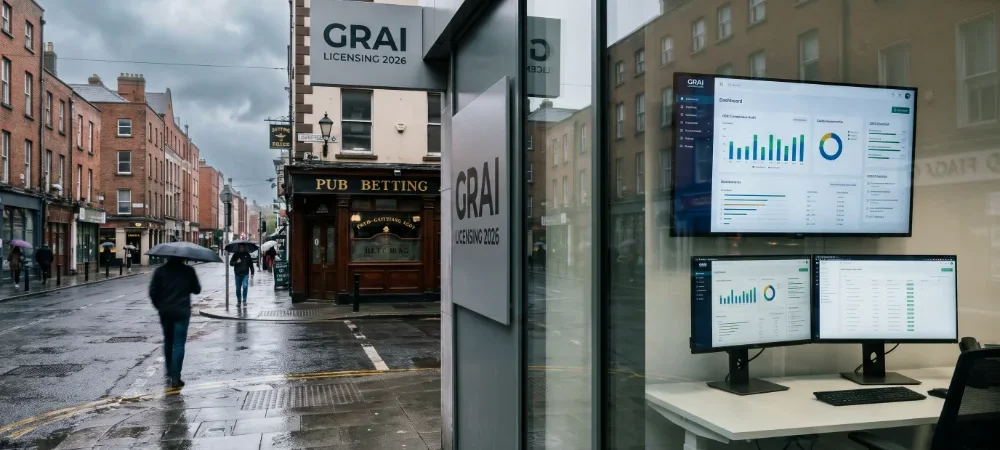
When we were coming up with the digital layout for this piece, we thought that a 16:9 photorealistic header image finished with a subtle 35mm film grain effect would perfectly set the tone. We thought it would contrast the traditional, rain-slicked betting shops near Croke Park with a sleek, modern digital compliance dashboard. It looks like it’s from a different era, a mix of old-school Irish bookmaking and the new world of strict fintech regulation. This visual sobriety is exactly what your PR strategy should now reflect.
Here’s the ultimate guide to closing the gap between knowing why compliance matters and putting a PR strategy in place that protects your brand right now.

The 2026 Licensing Timeline: From theory to getting things done!
The days of operating in regulatory grey areas are over. So, as of 5 February 2026, it’s official – the Gambling Regulatory Authority of Ireland (GRAI) is the only licensing authority for all forms of betting licences, including remote betting intermediaries. This was the starting gun for a race many operators weren’t ready for.
For remote operators, the reality set in over the summer. The new remote betting and remote betting intermediary licences will be officially up and running by 1 July 2026. The deadline for offline, in-person operators is 1 December 2026. These dates are more than just legal milestones; they’re important moments in how we communicate.
If your PR strategy is still using a playbook from before 2026, you’re making the regulators and the market think your company is outdated. Your public narrative must now clearly show that you are fully licensed and have undergone extensive auditing. Every press release, social media post and sponsored article should basically say that your brand has successfully passed the GRAI’s tough checks on companies and officers, and that you’re happy to be operating within the new legal framework.
The Watershed and the Wallet: Getting around restrictions and dealing with severe penalties
To get your head around why a brand’s tone has to change, you’ve got to look at the new punitive powers of the GRAI. We’re not dealing with minor slap on the wrist anymore. The new rules say that if operators break the rules, they could be hit with huge fines of up to €20 million, or 10% of their yearly sales. This level of financial risk basically changes what the PR department is supposed to do. These days, PR isn’t just about getting customers; it’s a really important part of managing risk and keeping a company alive. One badly judged tweet, or a promotional campaign that’s too aggressive and gets past internal compliance, could now theoretically lead to a multi-million-euro audit.
At the same time, the usual ways of building a brand have become much more difficult. There’s a strict law that says you can’t advertise gambling on TV, radio or on-demand audio-visual services between 5:30am and 9pm.
This blackout, which is on from 5:30 to 21:00, is going to completely change how media is bought and how companies tell their stories. You can’t rely on buying visibility during daytime sports shows or afternoon podcasts to stay top-of-mind. Instead, we need earned media, thought leadership, and hyper-targeted, compliant organic content to fill the void. PR teams need to put in more effort to get their executives featured in financial and tech publications talking about how to bet safely, instead of just relying on big ad spends on daytime TV.
Hyper-local PR and the subtlety of community sponsorship

Because mass-market broadcasting is restricted, bookmakers will naturally turn to grassroots sponsorships to stay visible. But this will also mean a big change in the way we talk about things. So, your brand is sponsoring a local racket sports event, right? Maybe a regional squash tournament at Fitzwilliam LTC where they need non-marking indoor court shoes and single blue dot balls, or a local badminton league near Turners Cross in Cork.
Back in the day, the PR around this would feature loads of branding, deposit bonuses for attendees, and loud calls to action. In the GRAI era, this is a dangerous game. When you’re writing about local events, make sure you don’t promote any direct gambling. The story should be about community health, helping out local sports facilities and encouraging young athletes. Whether you’re funding a clean-up in Killarney National Park or sponsoring a historical walk near Blarney Castle, the brand presence has to be passive, ambient, and respectful. The message is no longer “Bet with us”; it’s now “We’re a responsible, contributing member of the Irish business world.”
Pivoting the Narrative: Compliance – a key part of PR
The big challenge for PR pros in 2026 is how to build a narrative around compliance without making it super boring. In the past, the industry has always been all about the buzz of the win. Stories about player protection are the ones that resonate best with regulators and the public.
You’ve got to switch from pushing aggressive gameplay to promoting secure environments. For example, if your platform is launching a new set of online casino games, you need to change the focus of your PR. Even if the games have cool features like a 7×7 alien grid slot with a quantum payout meter, an Egyptian scarab collector mechanic, or a vibrant Asian-themed golden lion aesthetic, the press release shouldn’t start with “massive jackpots.” Instead, the story should focus on the game’s built-in session limits, how fair its RNG (Random Number Generator) algorithms are, and how the game works with the GRAI’s National Exclusion Register.

When it comes to more gamified products, like a TV quiz show-themed slot complete with lifelines, use PR to talk about the consumer protection software running in the background. The modern gambler – and even more so the modern financial journalist – is really interested in the fintech infrastructure that powers responsible gambling. If you make your Chief Compliance Officer a thought leader, by publishing white papers on AI-driven intervention for problem gamblers and talking openly about how your algorithms spot unusual betting behaviour, you’ll get way more valuable, risk-free media coverage than any free-bet promotion.
Integrating the Expert Voice: Showing, Not Just Telling
To truly signal that your brand embraces the new regulatory era, you must engage with the conversation at a macro level, rather than just broadcasting your own marketing messages. A highly effective strategy for your digital content hubs is to curate and embed external, authoritative discussions about the new laws.
Consider embedding the following video centrally within your corporate newsroom or digital PR
This video, featuring the revelation of Ireland’s first Gambling Regulatory Authority CEO, serves as a prime example of the broader societal conversation surrounding your industry. By placing independent, regulatory-focused commentary alongside your own corporate content, you signal to journalists and stakeholders that your brand is transparent, confident, and deeply engaged with the reality of the GRAI’s mandate. It proves you are listening to the room, not just shouting over it.
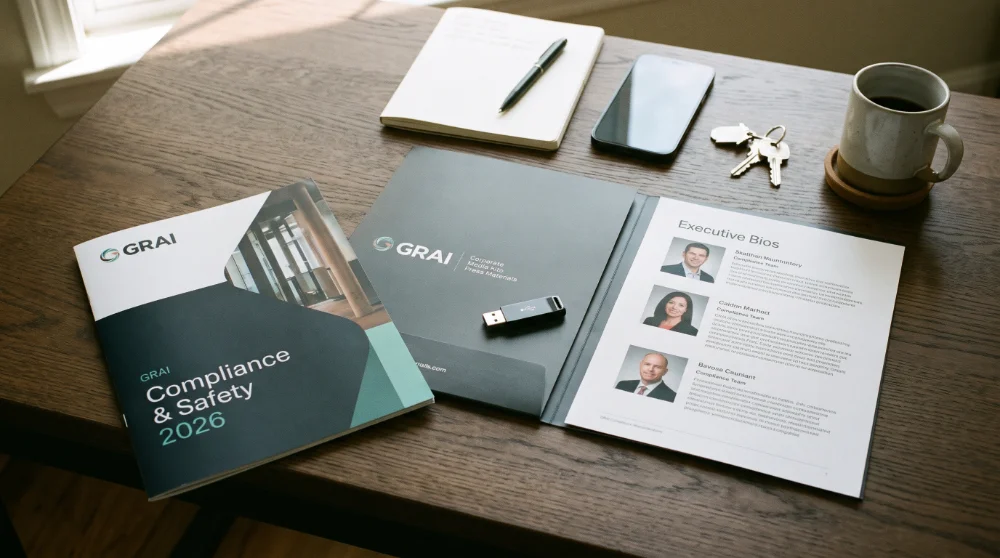
Equipping the Press: So, we’re working on the 2026 Media Kit right now.
The GRAI story is making headlines, so it’s likely that business and tech journalists across Ireland will be writing a lot about the betting market transition. Your job is to make their job as easy — and accurate — as possible. So, it’s time to give your digital media kit a total makeover for 2026.
The days of giving journalists flashing, retro arcade-style promotional banners or overly aggressive graphic assets are over. Your media kit should be a model of corporate restraint and clarity. So, here’s what we need to include in the 2026 PR pack:
We’ve got some great visuals for you. Can you make sure you provide clean, flat 2D vector logos and high-resolution favicons? Make sure you offer specific aspect ratios that work well with modern layouts, like 16:9 for main headers, 4:3 for standard inline images, 3:2 for print features, and 1:1 for social media thumbnails.
So, let’s talk about corporate photography. Don’t worry about the usual, over-the-top neon betting slips. We need some high-quality, photorealistic corporate portraits of your leadership team and compliance officers. Try to make it look more like a documentary, with an outdoor Irish feel, and show your staff doing some serious community work, not just standing around a betting terminal.
The Compliance Fact Sheet: Here’s a PDF that’s got all the nitty-gritty on how your platform ticks all the boxes with the GRAI regulations. This should include your integration with the National Exclusion Register, your fintech partnerships for age verification, and that you stick to the 5:30 AM to 9:00 PM advertising watershed.
Here are some brief descriptions of the executives: Journalists will want to speak to the people keeping the company out of the €20 million penalty box. The biographies of your Head of Legal, Chief Compliance Officer, and Head of Player Protection should be front and centre.
So, let’s talk about the role of internal communications and employer branding.
Finally, there’s one crucial but often overlooked part of the 2026 PR strategy, and that’s internal communications. PR isn’t just about dealing with the media and managing external clients; it’s also about keeping and attracting the best people in the business. The best software engineers, data scientists and marketing professionals want to work for ethical, compliant and forward-thinking tech companies.
If your external PR still looks like some dodgy offshore operation clinging to the past, you’re going to lose the talent war in Dublin’s competitive tech sector. If you make sure you always talk about the GRAI rules in your company messages, your staff will feel more secure and you’ll show them that you’re making products that protect Irish consumers. Whether you’re sending out internal newsletters about the ins and outs of traditional corn tamale masa techniques for the company’s athletic recovery meal programme, or giving the team the lowdown on the latest GRAI guidelines over huevos rancheros at a morning meeting, the culture of compliance has to be a part of everything the business does.
The main point for Irish bookies.
The arrival of the GRAI and the licensing deadlines of 2026 are going to cause the most disruption in the history of Irish bookmaking. But for the savvy PR pro, this isn’t a crisis – it’s a chance to really make their brand stand out.
By getting on board with the new rules, moving away from aggressive tactics, and showing that they’re all about player safety and respect, Irish operators can win much more than a quick payout: lasting trust from the community. The plan is clear, the deadlines have arrived, and the authorities are watching. It’s time to rewrite the script.